Do Solar Panels Work On Cloudy Days?
Think solar panels only work in sunshine? Think again. Even on cloudy or rainy UK days, solar panels continue to produce energy. This article explains how panels perform in different weather conditions and why solar remains a smart investment in the British climate.

Why you can trust our content
We know that the solar industry is full of misinformation, but we only use reliable sources, including:


At a glance
Key Takeaways
How Do Solar Panels Work?
Solar panels convert sunlight into electricity through a process called the photovoltaic effect. Photons from the sun’s rays knock electrons loose from atoms in the semiconductor material, generating an electric current.
Daylight vs. Sunlight
Daylight and sunlight are both essential for solar panels but indifferent ways.
Sunlight is direct light from the sun that hits the panels and is converted into electricity. This happens because photons (tiny particles of light) knock electrons free in solar cells, creating an electric current.
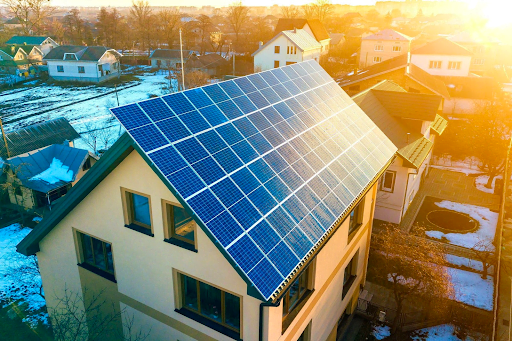
Daylight includes indirect light that can still generate electricity even when it’s cloudy or not directly sunny. The atmosphere scatters sunlight, spreading it out so that it comes from all directions.
This scattered light can still reach solar panels and be used to produce power, although not as much as direct sunlight would generate.


What type of property do you have?

Detached

Semi Detached

Terrace

Flat

Bungalow
It just takes 2 minutes
And then you can book a free consultation
The “Edge-of-Cloud” Effect
The “Edge-of-Cloud” effect boosts the power output of solar panels. Clouds can reflect sunlight back onto the panels at different angles, especially at the edges where light is more concentrated. This sudden burst of direct and indirect sunlight makes solar electricity generation more intense for a brief moment.
So… Do Solar Panels Work on Cloudy Days?
Yes, solar panels work on cloudy days but not at peak performance due to reduced sunlight. Clouds affect solar panel efficiency by blocking direct sunlight, which reduces the amount of electricity generated.
Clouds and Solar Panel Efficiency
Thick clouds block more light than thin ones, but some indirect light still reaches the panels, allowing them to generate some power even without bright sunshine.
Rain and Solar Panel Efficiency
Rain helps solar panels work better by cleaning them, removing dirt and dust that block light. After a good rain, your panels can absorb more sunlight, keeping your home powered with renewable energy.
We Install with care
High Performance Solar PV systems with the latest technology

Leading brands installed at lowest prices
10 year panel performance warranty
Local and friendly solar PV installers
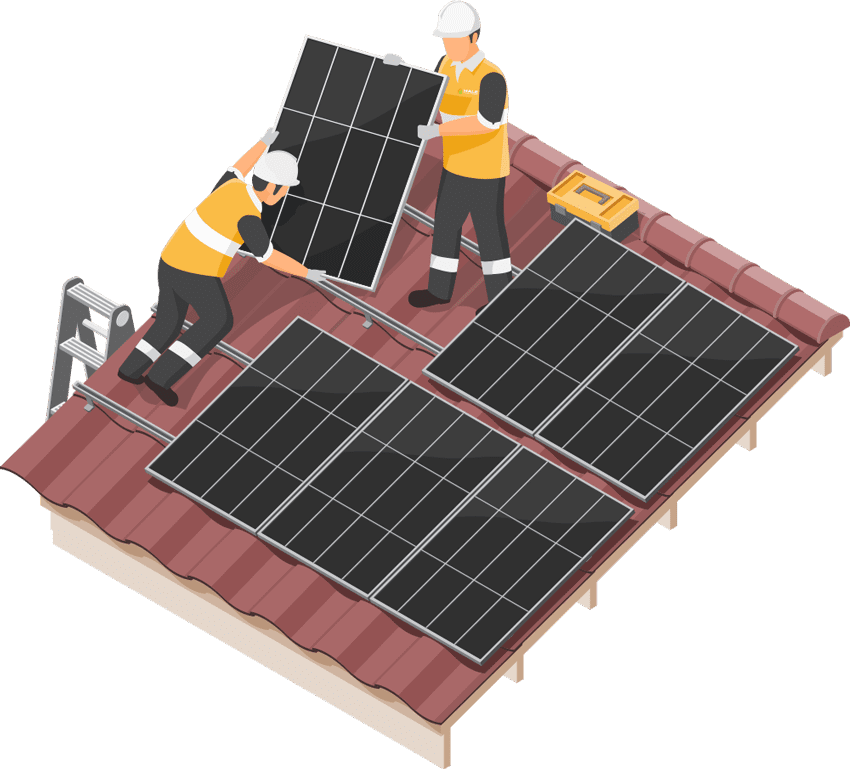
Can Solar Panels Work at Night?
No, solar panels do not generate power at night. However, there are storage options available for using solar energy during the night.
Storage Options
Solar battery storage systems allow homeowners to store excess energy generated during the day for use at night or during cloudy weather. These systems provide a reliable backup power source in case of blackouts and help balance the grid.
Net Metering
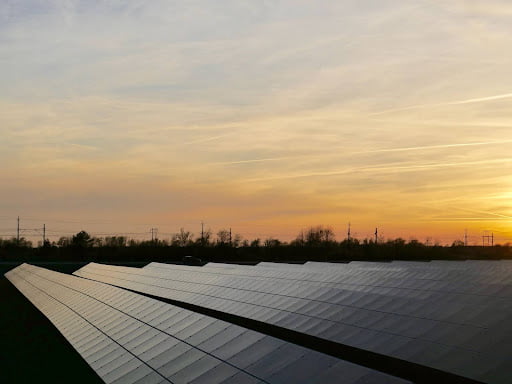
Net metering allows homes to send extra electricity from solar panels back to the power grid. If you produce more energy than you use, your electric bill goes down as you earn credits for the surplus energy. This system helps maintain a steady power supply even when solar panels aren’t producing electricity.
Solar Panels and Cloudy Weather
Solar panels can operate on cloudy days albeit at reduced efficiency due to diminished sunlight. Cloud cover limits direct sunlight, impacting power generation.
While solar panels are inactive at night, solutions like net metering and solar battery storage from Hale Heating and Renewables ensure energy storage and use, enhancing home energy efficiency and sustainability.

FAQs
Related articles


What type of property do you have?
Detached
Semi Detached
Terrace
Flat
Bungalow
At a glance
Key Takeaways
How Do Solar Panels Work?
Solar panels convert sunlight into electricity through a process called the photovoltaic effect. Photons from the sun’s rays knock electrons loose from atoms in the semiconductor material, generating an electric current.
Daylight vs. Sunlight
Daylight and sunlight are both essential for solar panels but indifferent ways.
Sunlight is direct light from the sun that hits the panels and is converted into electricity. This happens because photons (tiny particles of light) knock electrons free in solar cells, creating an electric current.
Daylight includes indirect light that can still generate electricity even when it’s cloudy or not directly sunny. The atmosphere scatters sunlight, spreading it out so that it comes from all directions.
This scattered light can still reach solar panels and be used to produce power, although not as much as direct sunlight would generate.
What type of property do you have?
Detached
Semi Detached
Terrace
Flat
Bungalow
It just takes 2 minutes
And then you can book a free consultation
The “Edge-of-Cloud” Effect
The “Edge-of-Cloud” effect boosts the power output of solar panels. Clouds can reflect sunlight back onto the panels at different angles, especially at the edges where light is more concentrated. This sudden burst of direct and indirect sunlight makes solar electricity generation more intense for a brief moment.
So… Do Solar Panels Work on Cloudy Days?
Yes, solar panels work on cloudy days but not at peak performance due to reduced sunlight. Clouds affect solar panel efficiency by blocking direct sunlight, which reduces the amount of electricity generated.
Clouds and Solar Panel Efficiency
Thick clouds block more light than thin ones, but some indirect light still reaches the panels, allowing them to generate some power even without bright sunshine.
Rain and Solar Panel Efficiency
Rain helps solar panels work better by cleaning them, removing dirt and dust that block light. After a good rain, your panels can absorb more sunlight, keeping your home powered with renewable energy.
We Install with care
High Performance Solar PV systems with the latest technology
Leading brands installed at lowest prices
10 year panel performance warranty
Local and friendly solar PV installers
Can Solar Panels Work at Night?
No, solar panels do not generate power at night. However, there are storage options available for using solar energy during the night.
Storage Options
Solar battery storage systems allow homeowners to store excess energy generated during the day for use at night or during cloudy weather. These systems provide a reliable backup power source in case of blackouts and help balance the grid.
Net Metering
Net metering allows homes to send extra electricity from solar panels back to the power grid. If you produce more energy than you use, your electric bill goes down as you earn credits for the surplus energy. This system helps maintain a steady power supply even when solar panels aren’t producing electricity.
Solar Panels and Cloudy Weather
Solar panels can operate on cloudy days albeit at reduced efficiency due to diminished sunlight. Cloud cover limits direct sunlight, impacting power generation.
While solar panels are inactive at night, solutions like net metering and solar battery storage from Hale Heating and Renewables ensure energy storage and use, enhancing home energy efficiency and sustainability.
FAQs
Related articles

What type of property do you have?
Detached
Semi Detached
Terrace
Flat
Bungalow