How Much Can You Save On Electricity Bills With Solar Panels?
Looking to cut your electricity bills? Solar panels offer long-term savings for UK homeowners—often reducing costs by hundreds each year. Learn how solar power can lower your energy expenses and how quickly you can start seeing a return on your investment.

Why you can trust our content
We know that the solar industry is full of misinformation, but we only use reliable sources, including:


At a glance
Key Takeaways
Estimating Solar Panel Savings
To estimate savings, consider your home’s energy usage and electricity costs. Calculate potential savings based on system size and estimate the payback period.
Average Savings Per Household
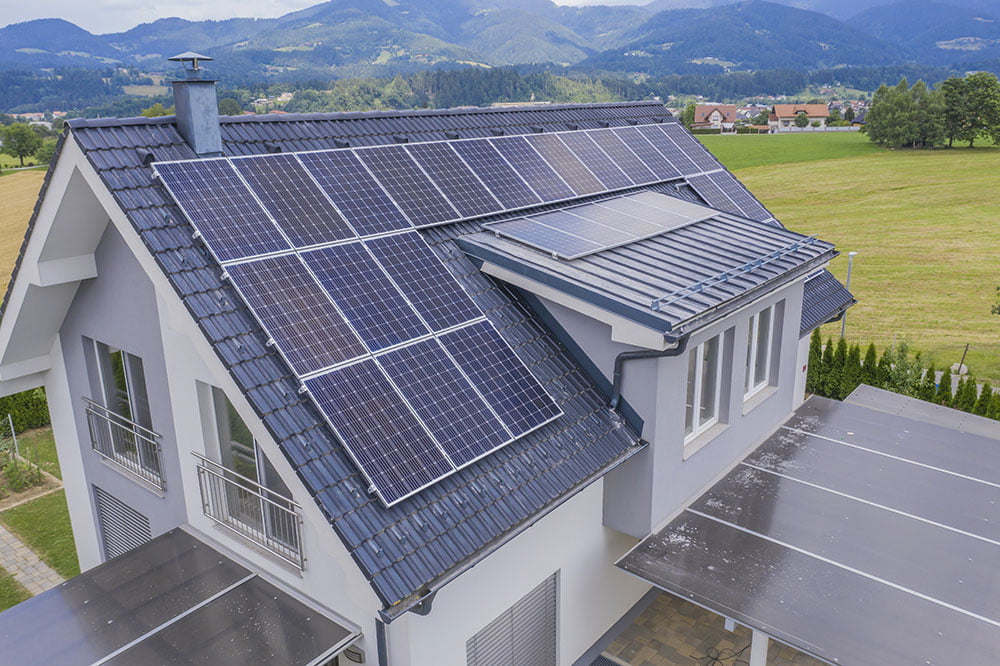
Households switching to solar often see significant savings, from hundreds to thousands of pounds annually, depending on system size and energy usage. Solar panels reduce reliance on expensive grid energy, and battery storage systems can further enhance savings by storing extra power for later use.
You can expect to save between £440 and up to £1,005 a year by installing solar panels.

Potential Savings Based on System Size
A larger solar panel setup produces more electricity and cuts down on energy bills. Choose a system size that fits your daily power usage and local electricity costs. Homes in sunnier areas can generate more electricity and see bigger savings. Using solar panels efficiently reduces grid reliance and maximises savings.
Calculating Estimated Payback Period
Calculate the payback period by comparing installation costs with annual savings on electricity bills. Include government incentives and rebates to reduce upfront costs. Rising energy prices make solar panels a smart long-term investment, offering financial independence from utility expenses.
Key Factors Affecting Solar Panel Savings

System Size
The size of your solar panel system determines its electricity production. A larger system means more power and higher savings. Choose a system size that matches or exceeds your household’s energy consumption to maximise savings and take advantage of net metering schemes or smart export guarantee incentives for surplus renewable electricity.
For more advice on selecting the right system size, consult with Hale Heating and Renewables.


What type of property do you have?

Detached

Semi Detached

Terrace

Flat

Bungalow
It just takes 2 minutes
And then you can book a free consultation
Home Energy Usage
Your home’s energy usage directly affects solar panel savings. Calculate your electricity consumption in kilowatt-hours (kWh) to plan an appropriate solar power system. High energy users benefit more from solar panels, reducing reliance on the grid and saving money while moving towards sustainability goals.

Cost of Electricity
Electricity prices are rising, putting pressure on family budgets. Solar panels can alleviate this by generating free power from the sun once the initial setup cost is covered. This reduces reliance on energy companies and lowers monthly bills. Solar PV technology turns homes into mini power stations, and extra energy can be sold back to the grid through feed-in tariff schemes.
We Install with care
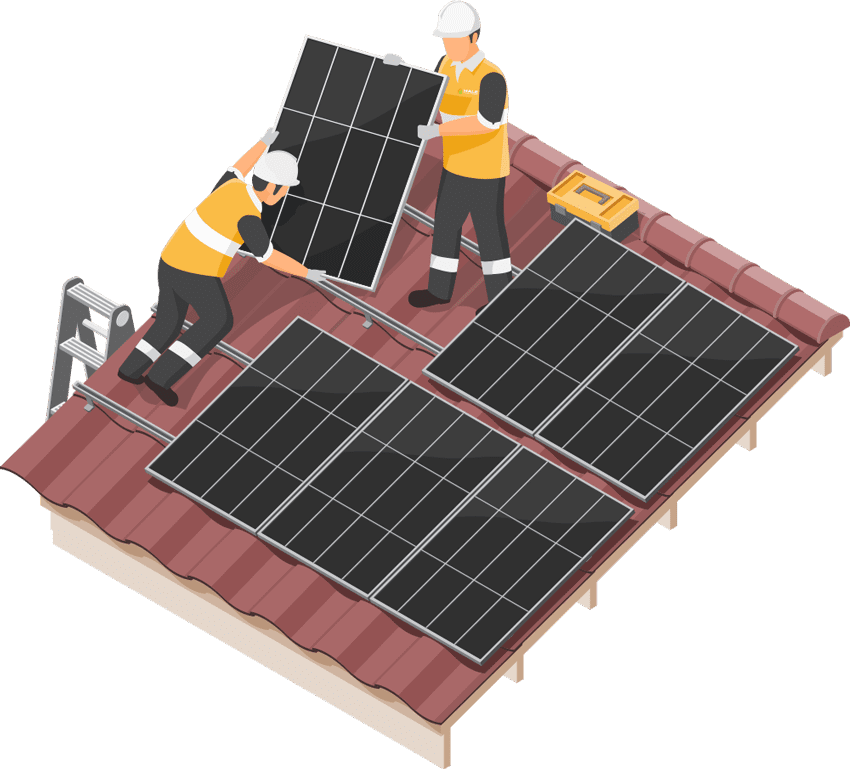
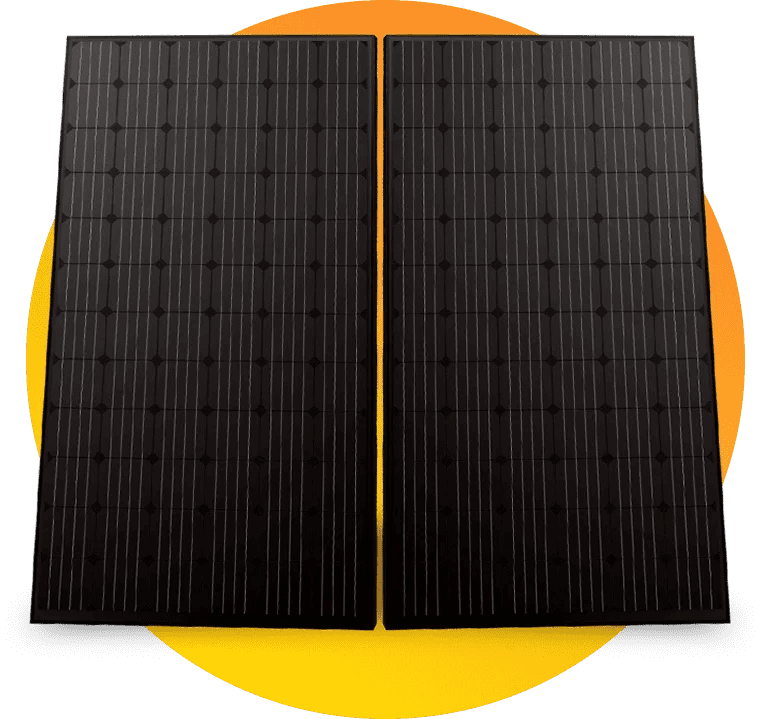
High Performance Solar PV systems with the latest technology

Leading brands installed at lowest prices
10 year panel performance warranty
Local and friendly solar PV installers
Is Investing in Solar Panels Worth It?
Investing in solar panels can lead to substantial electricity bill savings, reduced carbon footprint, and increased property value. Tailor the system size to your energy needs, consider electricity costs and government incentives, and enjoy the long-term benefits of solar power.
For expert guidance and installation, contact Hale Heating and Renewables to help you make the most informed and beneficial decision for your home.

FAQs
Related articles


What type of property do you have?
Detached
Semi Detached
Terrace
Flat
Bungalow
At a glance
Key Takeaways
Estimating Solar Panel Savings
To estimate savings, consider your home’s energy usage and electricity costs. Calculate potential savings based on system size and estimate the payback period.
Average Savings Per Household
Households switching to solar often see significant savings, from hundreds to thousands of pounds annually, depending on system size and energy usage. Solar panels reduce reliance on expensive grid energy, and battery storage systems can further enhance savings by storing extra power for later use.
You can expect to save between £440 and up to £1,005 a year by installing solar panels.
Potential Savings Based on System Size
A larger solar panel setup produces more electricity and cuts down on energy bills. Choose a system size that fits your daily power usage and local electricity costs. Homes in sunnier areas can generate more electricity and see bigger savings. Using solar panels efficiently reduces grid reliance and maximises savings.
Calculating Estimated Payback Period
Calculate the payback period by comparing installation costs with annual savings on electricity bills. Include government incentives and rebates to reduce upfront costs. Rising energy prices make solar panels a smart long-term investment, offering financial independence from utility expenses.
Key Factors Affecting Solar Panel Savings
System Size
The size of your solar panel system determines its electricity production. A larger system means more power and higher savings. Choose a system size that matches or exceeds your household’s energy consumption to maximise savings and take advantage of net metering schemes or smart export guarantee incentives for surplus renewable electricity.
For more advice on selecting the right system size, consult with Hale Heating and Renewables.
What type of property do you have?
Detached
Semi Detached
Terrace
Flat
Bungalow
It just takes 2 minutes
And then you can book a free consultation
Home Energy Usage
Your home’s energy usage directly affects solar panel savings. Calculate your electricity consumption in kilowatt-hours (kWh) to plan an appropriate solar power system. High energy users benefit more from solar panels, reducing reliance on the grid and saving money while moving towards sustainability goals.
Cost of Electricity
Electricity prices are rising, putting pressure on family budgets. Solar panels can alleviate this by generating free power from the sun once the initial setup cost is covered. This reduces reliance on energy companies and lowers monthly bills. Solar PV technology turns homes into mini power stations, and extra energy can be sold back to the grid through feed-in tariff schemes.
We Install with care
High Performance Solar PV systems with the latest technology
Leading brands installed at lowest prices
10 year panel performance warranty
Local and friendly solar PV installers
Is Investing in Solar Panels Worth It?
Investing in solar panels can lead to substantial electricity bill savings, reduced carbon footprint, and increased property value. Tailor the system size to your energy needs, consider electricity costs and government incentives, and enjoy the long-term benefits of solar power.
For expert guidance and installation, contact Hale Heating and Renewables to help you make the most informed and beneficial decision for your home.
FAQs
Related articles

What type of property do you have?
Detached
Semi Detached
Terrace
Flat
Bungalow