What Does the L2 Fault Code Mean on a Boiler?
The L2 fault code on a boiler, especially common on Ideal boilers, typically indicates a flame detection issue, which could mean the boiler hasn’t ignited…

Why you can trust our content
We know that the solar industry is full of misinformation, but we only use reliable sources, including:


At a glance
The L2 fault code on a boiler, especially common on Ideal boilers, typically indicates a flame detection issue, which could mean the boiler hasn’t ignited properly or the flame has gone out. This error usually relates to gas flow or ignition faults, such as low gas supply, an issue with the ignition lead, or a blockage in the flue.
Common Causes of the L2 Fault Code
- Gas Supply Issues: Low gas pressure or an interrupted gas supply can prevent ignition.
- Blocked Flue or Condensate Pipe: Obstructions in the flue or condensate pipe can restrict airflow or cause water to back up, triggering the L2 code.
- Faulty Ignition Lead or Electrode: A worn or damaged ignition lead or electrode can lead to ignition failure.
- Frozen Condensate Pipe (in Cold Weather): In winter, condensate pipes can freeze, causing the boiler to shut down for safety.
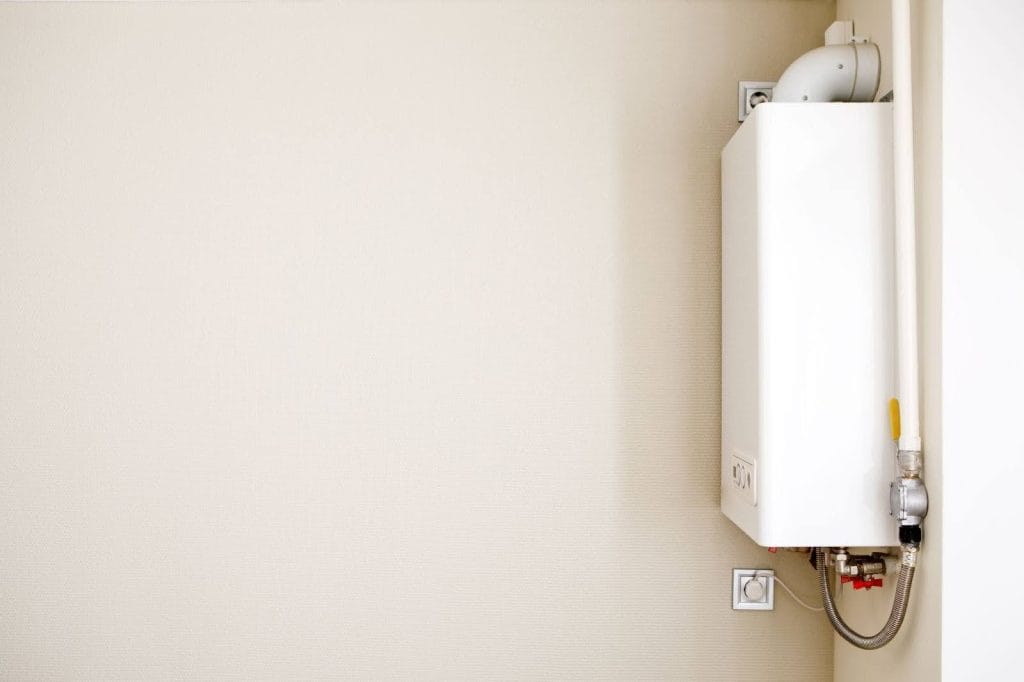
Quick Fixes to Try at Home
- Restart the Boiler: Sometimes, simply resetting the boiler can resolve the error. Follow the manufacturer’s instructions on how to do this safely.
- Check for Blockages: Look for any visible obstructions around the flue or condensate pipe and clear them if possible.
- Verify Gas Supply: Check if other gas appliances are working to ensure there’s no gas supply issue.
If these steps don’t resolve the L2 fault, it’s best to contact a Gas Safe registered engineer. They can safely diagnose and fix the root cause, whether it’s an ignition fault or a component requiring replacement.
For safe and efficient boiler maintenance and repair, Hale Heating & Renewables’ offers professional support, ensuring your boiler is back in working order swiftly and securely.
Let’s get started, Which fuel powers your boiler?
It just takes 2 minutes
And then you can book a free consultation
Solving the L2 Fault Code with Hale Heating and Renewables
Understanding the L2 fault code can help you take quick action to resolve your boiler issues. While some basic checks like verifying the gas supply and resetting the boiler may offer temporary relief, persistent L2 errors typically require professional intervention.
At Hale Heating and Renewables, we specialise in diagnosing and fixing boiler faults efficiently, restoring warmth and reliability to your home. If you’re facing recurring L2 errors, reach out to us for expert support and keep your boiler running smoothly.

Related articles



Let’s get started, Which fuel powers your boiler?
At a glance
The L2 fault code on a boiler, especially common on Ideal boilers, typically indicates a flame detection issue, which could mean the boiler hasn’t ignited properly or the flame has gone out. This error usually relates to gas flow or ignition faults, such as low gas supply, an issue with the ignition lead, or a blockage in the flue.
Common Causes of the L2 Fault Code
- Gas Supply Issues: Low gas pressure or an interrupted gas supply can prevent ignition.
- Blocked Flue or Condensate Pipe: Obstructions in the flue or condensate pipe can restrict airflow or cause water to back up, triggering the L2 code.
- Faulty Ignition Lead or Electrode: A worn or damaged ignition lead or electrode can lead to ignition failure.
- Frozen Condensate Pipe (in Cold Weather): In winter, condensate pipes can freeze, causing the boiler to shut down for safety.
Quick Fixes to Try at Home
- Restart the Boiler: Sometimes, simply resetting the boiler can resolve the error. Follow the manufacturer’s instructions on how to do this safely.
- Check for Blockages: Look for any visible obstructions around the flue or condensate pipe and clear them if possible.
- Verify Gas Supply: Check if other gas appliances are working to ensure there’s no gas supply issue.
If these steps don’t resolve the L2 fault, it’s best to contact a Gas Safe registered engineer. They can safely diagnose and fix the root cause, whether it’s an ignition fault or a component requiring replacement.
For safe and efficient boiler maintenance and repair, Hale Heating & Renewables’ offers professional support, ensuring your boiler is back in working order swiftly and securely.
Let’s get started, Which fuel powers your boiler?
It just takes 2 minutes
And then you can book a free consultation
Solving the L2 Fault Code with Hale Heating and Renewables
Understanding the L2 fault code can help you take quick action to resolve your boiler issues. While some basic checks like verifying the gas supply and resetting the boiler may offer temporary relief, persistent L2 errors typically require professional intervention.
At Hale Heating and Renewables, we specialise in diagnosing and fixing boiler faults efficiently, restoring warmth and reliability to your home. If you’re facing recurring L2 errors, reach out to us for expert support and keep your boiler running smoothly.